
Review · RASTAFARI VILLAGE TOURS FROM MONTEGO BAY
Rastafari Indigenous Village Tour
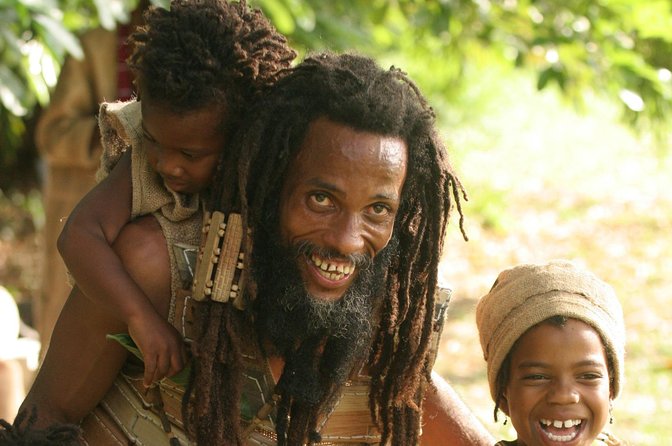
The most striking part of this experience comes before the village tour even begins: you cross a small stream to reach a living Rastafarian community. Then the visit moves from conversation and cultural explanation to fresh fruit, juice, drumming, and chanting, giving you more than a quick photo stop.
I like the private format, since only you and your party take part. I also like the included hotel or port pickup, especially because your driver can add local context on the road. The main thing to consider is the stream crossing. Bring water shoes or quick-drying sandals, and expect a cultural visit rather than a polished museum attraction.
Key points to know before you book
- Crossing the stream is part of the arrival: Water shoes are a practical must, not an optional extra.
- The visit is private: Your group takes the tour without being combined with other bookings.
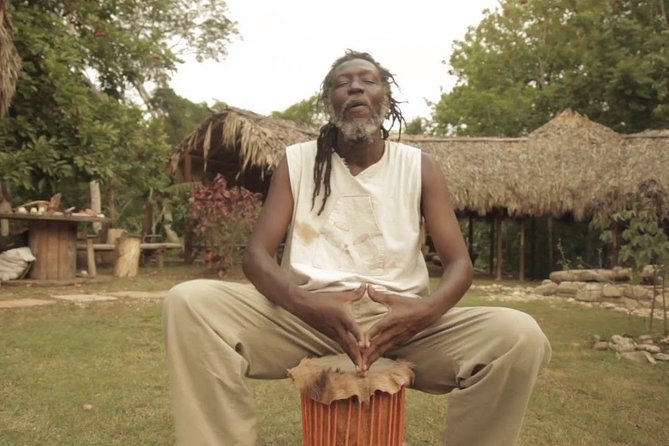
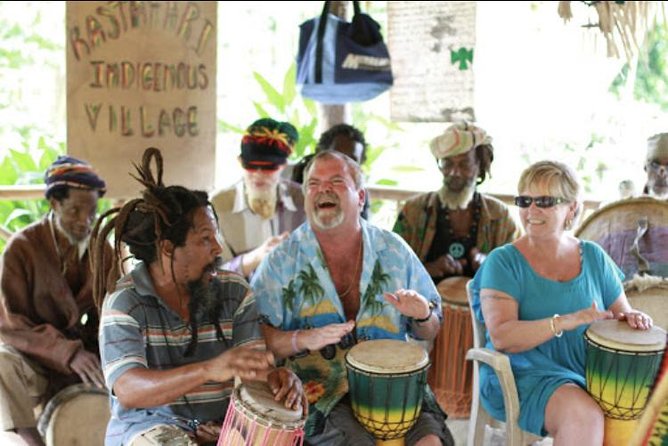
- Congo drumming lasts about 30 minutes: The music and chanting are a central part of the experience.
- Pickup is included: You can be collected from a Montego Bay hotel or cruise port in an air-conditioned vehicle.
- Fresh fruit and juice are served: The village visit includes simple local refreshments.
- Bring cash: You can buy facial products and souvenirs made at the village.
Reaching the Rastafari Indigenous Village from Montego Bay
This experience begins with a pickup from your Montego Bay hotel or cruise port. Your transportation is private and air-conditioned, which matters in Jamaica’s heat and keeps the outing simple from the start.
The total experience usually takes about two to four hours, including transportation and time at the village. The village portion is listed at about one hour, though your exact schedule can vary. If you are arriving by cruise ship, leave enough time for pickup, the drive, the visit, and your return to the port.
The driver is part of the experience, not just a person behind the wheel. One guest specifically praised Kevin for being friendly and accommodating, and for sharing history about the area during the drive. That kind of local explanation can make the road time more useful, particularly if you want some context before reaching the community.
This is a good setup for anyone who wants a cultural outing without arranging taxis, negotiating fares, or figuring out a rural route on their own. You are collected, driven to the village, and returned to your hotel or ship afterward.
More Rastafari village visits from Montego Bay:
- Rastafari Cultural ATV Community Experience from Montego Bay
★ 5.0 · 1,959 reviews - From Montego Bay/Negril: RastaSafari UTV Experience
★ 5.0 · 75 reviews - Private Rasta Safari Cultural UTV Village Experience
★ 5.0 · 22 reviews
Crossing the stream into the village
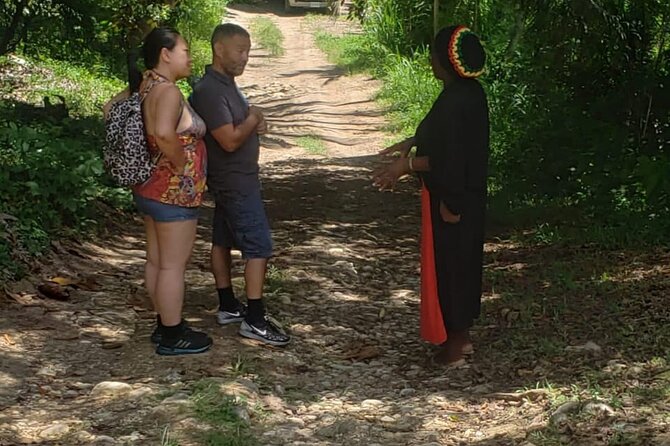
The first practical detail is also the one you should take seriously. You need to walk across a small stream to reach the village.
That crossing is part of what gives the visit its character. You are not simply stepping off a coach onto a paved entrance. You make a short physical transition from the road into the community, and the setting feels less formal because of it.
Still, wet feet can sour an otherwise good outing. Wear water shoes or sandals that dry quickly. Avoid footwear you want to keep spotless, and do not assume ordinary dress shoes or heavy sneakers will be comfortable. Bring water, a camera, and cash, as recommended for the experience.
The available information does not give the stream’s depth or length, so you should be ready for a basic walk through water rather than expect a completely dry route. Most people can take part, but anyone with difficulty walking across uneven ground should consider this detail before booking.
Meeting local Rastafarian guides
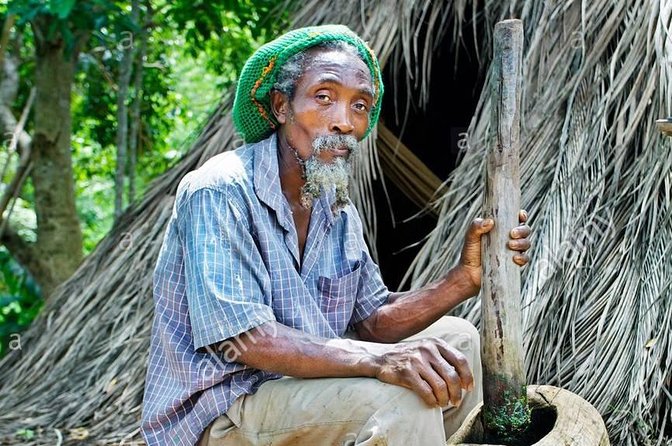
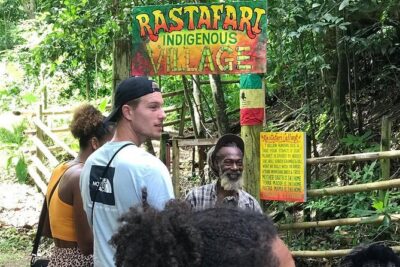
Once you arrive, local Rastafarian guides meet you and lead the visit. The value here is direct contact with people from the community, rather than a general tour about Jamaica presented from a distance.
You can expect an explanation of Rastafarianism in Jamaica, the country where the movement began. The supplied details do not promise a formal lecture or a fixed set of subjects, so the conversation may feel more personal and informal than a museum talk. That is a strength if you want to ask questions and hear about the community from its own members.
It is also worth keeping your expectations realistic. This is a short visit of roughly one hour at the village, not a full-day study program. You will receive an introduction to Rastafarian culture and community life, but the experience is designed as an accessible cultural stop during a Montego Bay holiday.
The private format should help your group keep the pace comfortable. You are not joining a large coach party, and only your own party takes part. For couples, families, or small groups with a shared interest in Jamaican culture, that can make the conversation easier.
Fresh fruit, juice, and a taste of local hospitality
Fresh fruit and fresh fruit juices are available during the visit. These refreshments are a small feature, but they help make the stop feel connected to the place rather than reduced to a talk followed by a gift shop.
You should think of this as a simple tasting opportunity, not a full meal. No menu or specific fruits are provided, so do not book the tour expecting lunch. Eat beforehand if you need a substantial meal, and bring water for the drive and the walk.
I like this part because food and drink can make a cultural visit feel more relaxed. You are given time to pause, listen, and take in the setting. It also gives you a chance to try local fruit in a way that fits naturally with the community visit.
Fancy a completely different sort of day out of Montego Bay? Try these:
- Club Mobay Sangster Airport VIP Lounge with Priority Entry
★ 4.5 · 10,510 reviews - Jamaica All-Access Adventure Pass at Ocean Outpost
★ 4.5 · 1,193 reviews - Blue Hole, Secret Falls, and Dunn’s River Falls Combo Day-Trip
★ 4.5 · 973 reviews - Montego Bay Hotels Airport Private Transfer
★ 5.0 · 933 reviews
Thirty minutes of Congo drumming and chanting
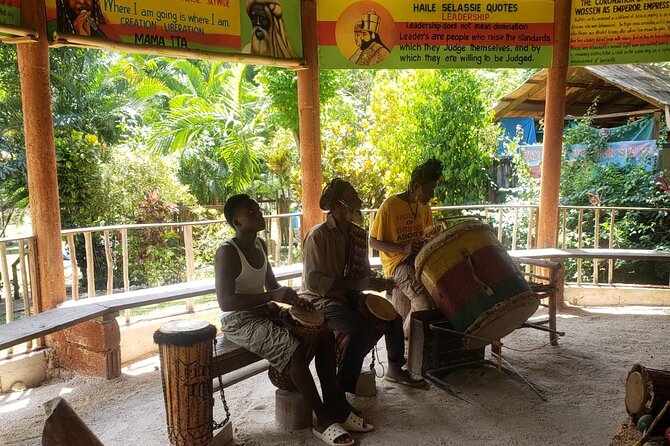
The musical portion is one of the clearest highlights. You receive about 30 minutes of authentic Congo drumming and chanting at the village.
That is a meaningful amount of time for a short excursion. The music is not just a quick demonstration before the group moves on. It forms a substantial part of the visit and gives the experience a strong sense of rhythm and ceremony.
I would approach this respectfully and with an open mind. The information provided does not describe the exact songs, instruments, or format, so you should not expect a detailed concert program. The focus is on hearing and seeing a local musical tradition within the Rastafari community.
For many people, this will be the most memorable part of the outing. It offers something you cannot get from a standard sightseeing drive or a beach stop. If you prefer tours built almost entirely around scenery, shopping, or food, the drumming and chanting may not be your main reason to book. If you want culture presented through sound and participation, it is a strong fit.
Handmade facial products and souvenirs
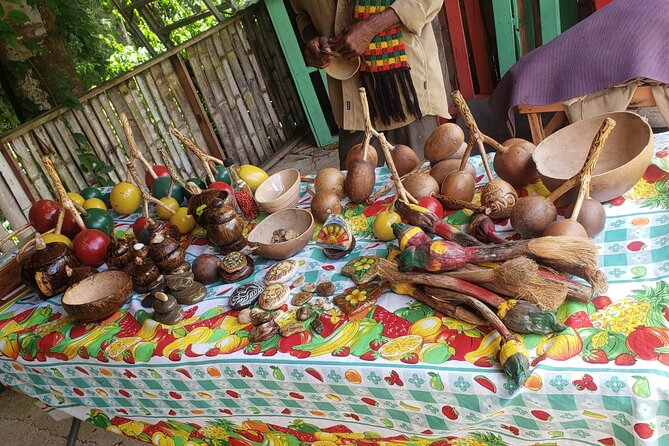
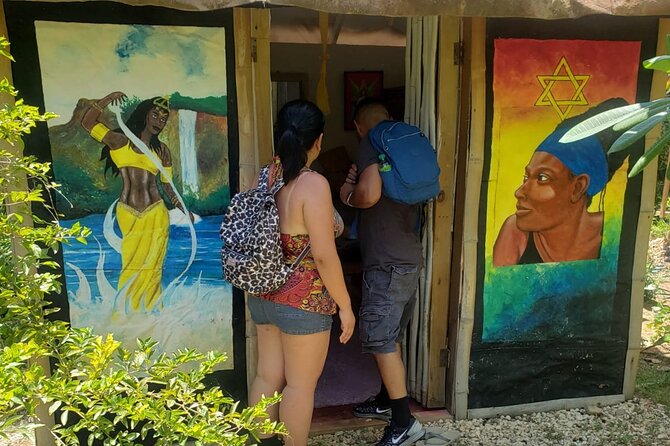
At the end of the visit, your guide takes you to see facial products and souvenirs produced at the village. You can make purchases there and show your appreciation for the community.
This is a useful distinction from a generic souvenir shop. The products are made right at the village, so buying something can support the place you have just visited. The available details do not list the prices, ingredients, or product range, so bring cash if you are interested and ask questions before buying.
You should not feel required to purchase anything. The stop is part of the experience, but shopping is optional. For some people, a small locally made item is a better reminder of Jamaica than a mass-produced trinket. Others may prefer to spend their time listening and taking photographs.
Bring your camera, but be thoughtful about when you use it. A community visit calls for respect, and it is sensible to ask before photographing people or any part of the drumming and chanting.
What the private format means for value
The price is $310 per person, which places this tour firmly in the higher-priced range for a short Jamaica excursion. The value depends heavily on how many people are in your party and how much you value private transportation and direct cultural contact.
For a couple, the per-person cost may feel steep for an experience lasting two to four hours. You are paying not only for the village visit, but also for private transportation from your hotel or port, the air-conditioned vehicle, and a tour reserved for your own group.
For a larger party, the price may make more sense, particularly because group rates are available for six or more people by calling, texting, or using WhatsApp. Ask about that rate before booking if you are traveling with a big family or group of friends.
The private format also removes some common frustrations. You do not need to wait for a large group to board, and the outing is not built around a crowded coach schedule. A guest described the driver as accommodating, and another account praised the experience as especially meaningful. Those points suggest that the personal feel is a major part of what you are buying.
Still, I would not book this tour solely because it is private. The real question is whether you want to spend your limited Montego Bay time learning about Rastafarianism, hearing live drumming and chanting, and meeting members of the community. If that appeals to you, the price can be reasonable for a tailored cultural visit. If you mainly want a cheap sightseeing ride, it is harder to justify.
How long should you plan for?
The duration is approximately two to four hours. The village visit itself is described as about one hour, while the rest of the time covers pickup, driving, the stream crossing, and your return.
That range is important because transportation time can vary. Your hotel or cruise port location, road conditions, and pickup schedule will affect how long you are away. Keep your plans flexible instead of booking a tight lunch, spa appointment, or shore excursion immediately afterward.
The experience can also run longer if you arrive late. In one case, the driver reached the village late, and the host spent extra time covering the history that had been missed. That is a considerate touch, but you should still aim to be ready at pickup time. A late start can put pressure on your return plans, especially on a cruise day.
If you are staying at a Montego Bay hotel, the timing is easier to manage. Cruise passengers should confirm the pickup details carefully and allow a generous buffer before the ship’s departure.
Who will enjoy this most?
I would recommend this experience to you if you want a personal introduction to Jamaican culture and do not mind a simple, community-based setting. It is particularly suitable for:
- Couples looking for something beyond beaches and resort activities
- Families whose children can manage a short stream crossing
- Small private groups interested in music and local traditions
- Cruise passengers seeking a prearranged cultural outing from the port
- Visitors who like to buy locally made products directly from the people who produce them
You may want to choose another activity if you need full accessibility, dislike walking through water, or want a long sightseeing day with several major attractions. The available details say most people can participate, but they do not give accessibility information for the stream or village.
This is also not the best choice if your main goal is Jamaican food. Fruit and juice are included, but no full meal is described. The central themes are Rastafarian culture, conversation, music, and community-made products.
Practical advice for a smoother visit
Wear clothes and shoes that can handle heat and water. Water shoes are the safest choice, while quick-drying sandals can also work.
Keep cash with you for souvenirs and facial products. Bring water even though refreshments are available, and pack a camera if you want photographs.
I would also suggest carrying only what you need. A small bag is easier to manage across the stream than a large beach tote or hard-sided luggage. Since the tour includes a walk through water, protect phones and other electronics from splashes.
Arrive ready to listen. The experience works best when you treat it as a visit to a living community, not as a performance staged only for sightseeing. Ask questions politely, pay attention during the cultural explanation, and ask before taking close-up photographs.
Free cancellation is available if you cancel at least 24 hours before the local start time. Changes or cancellations within 24 hours are not accepted for a refund, and poor weather may lead to a different date or a full refund. That policy matters most for cruise passengers, who should avoid booking so close to sailing that a weather change creates a scheduling problem.
Should you book the Rastafari Indigenous Village Tour?
Book it if you want a private cultural experience with local guides, a stream crossing, fresh fruit, and about 30 minutes of Congo drumming and chanting. The combination is more personal and distinctive than a standard Montego Bay sightseeing loop.
The $310 price is easier to defend for a group, especially if you qualify for a rate for six or more people. For one or two people, compare the cost against your interest in Rastafarianism and your desire for private transport. This is not a bargain outing, but it offers direct contact and a clear cultural focus.
I would choose it over a generic shopping trip if authentic local connection matters to you. Just bring water shoes, cash, water, and enough time to handle the drive without rushing back to your hotel or ship.
FAQ
Where does the Rastafari Indigenous Village Tour begin?
Pickup is offered from your Montego Bay hotel or the cruise port.
Is transportation included?
Yes. The experience includes private transportation in an air-conditioned vehicle.
Is this a private tour?
Yes. Only your group participates in the activity.
How long does the experience last?
The full experience takes approximately two to four hours. The village visit itself is listed at about one hour.
Do I need water shoes?
Yes. You need to walk across a small stream to reach the village, so water shoes or sandals that dry quickly are recommended.
What happens at the village?
Local Rastafarian guides lead the visit, explain Rastafarianism, offer fresh fruit and juice, and present about 30 minutes of Congo drumming and chanting. You can also browse facial products and souvenirs made at the village.
Can I cancel for a full refund?
Yes, if you cancel at least 24 hours before the experience’s local start time. Cancellations or changes made less than 24 hours in advance are not accepted for a refund.
Fresh on the Montego Bay list
- Dunns River Falls Private Day Tour★ 5.0 · 4 reviews
- Private Dolphin Cove Adventure★ 5.0 · 9 reviews
- Bird Sanctuary and animal farm Day Tour★ 4.5 · 4 reviews
- Night-life Party Club 2727 pick up and drop off in Montego Bay★ 5.0 · 5 reviews
- Bamboo Rafting With foot massage★ 4.5 · 6 reviews
- Sailing Adventure Cruise from Montego Bay★ 5.0 · 6 reviews
- Martha Brae Rafting Adventure★ 5.0 · 3 reviews
- #1 Martha brea bamboo rafting★ 4.0 · 5 reviews
Rastafari Village Tours from Montego Bay, compared.
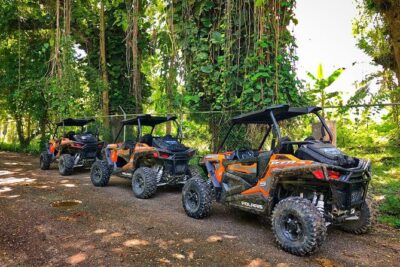
Rastafari Cultural ATV Community Experience from Montego Bay
Read our review →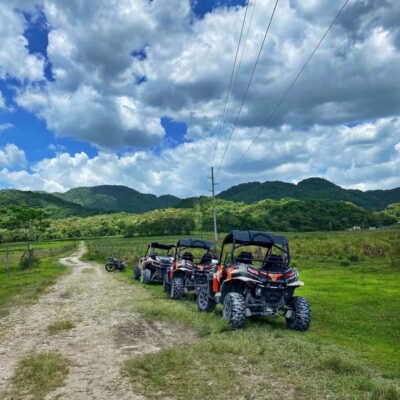
From Montego Bay/Negril: RastaSafari UTV Experience
Read our review →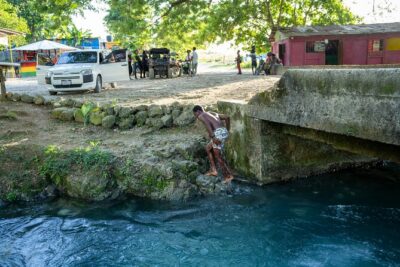
Private Rasta Safari Cultural UTV Village Experience
Read our review →

Rastafari Indigenous Village Tour Transportation [Entry Not included]
Read our review →
Great River Rafting with Limestone Massage & Rasta Safari Experience Combo Tour
Read our review →
Browse the lists this tour appears in